Xinzhi is currently an engineer at Apple in Cupertino, California. Prior to joining Apple, he spent years conducting research that used computational imaging to study fluid mechanics. In particular, he applied holographic and tomographic imaging, along with machine-learning computer vision methods, to analyze turbulent, interfacial, and biological flows. Examples include jets and sprays, complex droplets, cavitation, and cerebral aneurysm flows.
Particle Image Velocimetry (PIV) · Planar Laser-Induced Fluorescence (PLIF) · Digital Holographic Microscopy · Tomographic & Volumetric Imaging · High-speed Multi-camera Measurements · Laser Illumination & Beam Shaping · Refractive Index Matching · Optical System Design & Alignment · Precision Experimental Design
EVT / DVT / PVT Camera Bring-up · Actuator Testing & Characterization · Optical Calibration Algorithms · Imaging Pipeline Validation · Manufacturing Process Validation · Yield Tracking & Statistical Process Control · Module-level Performance Testing · Cross-functional Collaboration (Optics, Firmware, Manufacturing)
Image Signal Processing (ISP) · Deep Learning for Image Analysis · Image Segmentation & Feature Extraction · GPU-accelerated Image Processing (CUDA) · ML Classification & Automation · Python / PyTorch / OpenCV · Automated Data Pipelines · POD-based Decomposition · Wavelet & FFT Filtering
Multiphase Turbulent Flows · Spray Atomization & Droplet Breakup · Turbulence Budget Analysis (TKE, Reynolds Stress) · MATLAB · Python · DaVis PIV Software · CFD Post-processing · Statistical Signal Analysis · Instrument Design & Fabrication
A peer-nominated internal recognition honoring colleagues whose contributions, often behind the scenes, move the team's work forward.
Competitive scholarships and fellowships awarded at every institution attended, recognizing academic merit and independent research potential.
Optical metrology systems and computational image-processing pipelines — tomographic and holographic reconstruction, ML-assisted segmentation, GPU-accelerated analysis — applied to turbulent multiphase flows.
+ Hover to preview · Click for details
© All visualizations are original work by the author
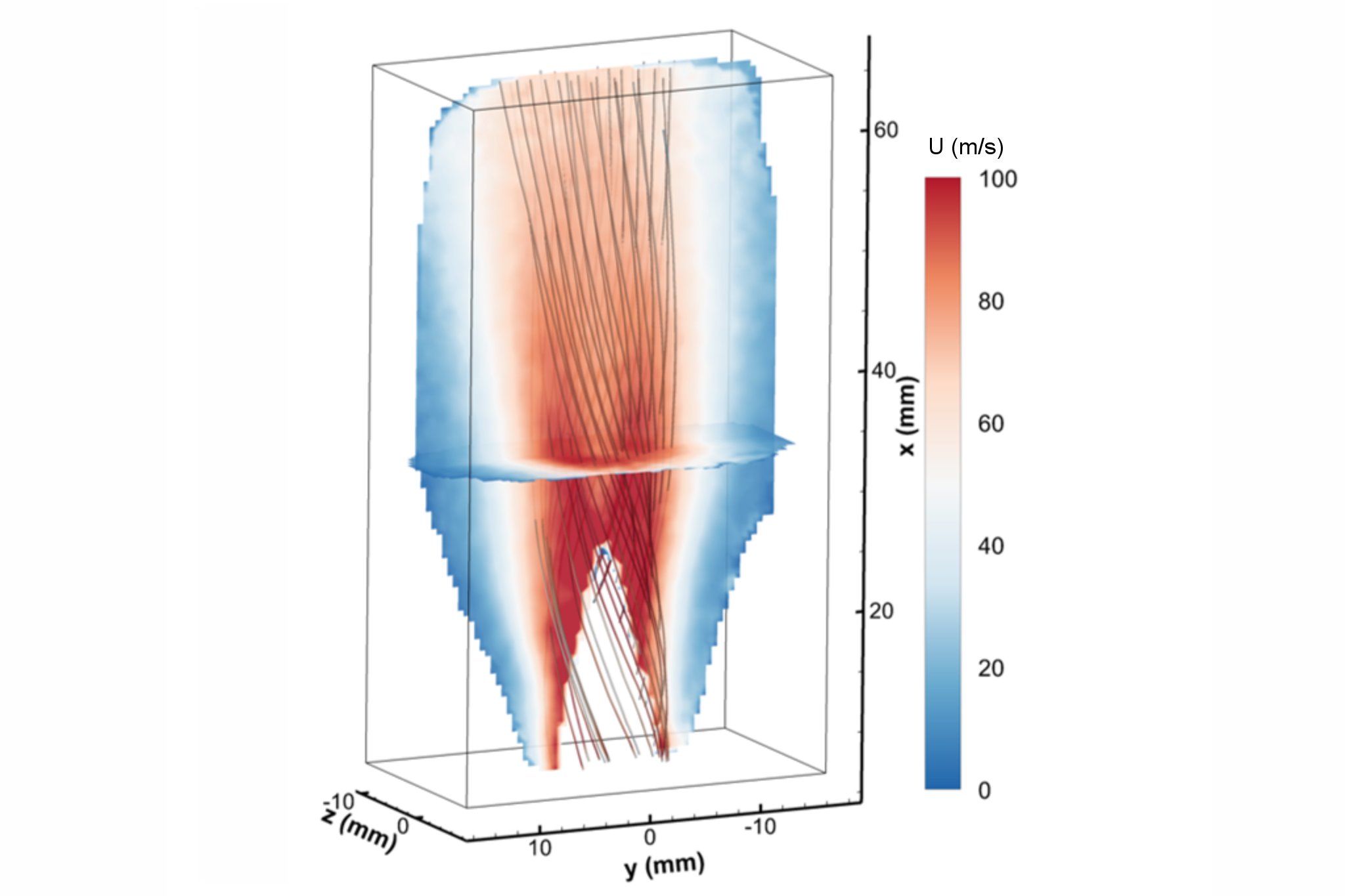
4D characterization of the swirling gas jet flow field in a coaxial two-fluid atomizer at high pressure. Computational imaging techniques reveal the complex three-dimensional structure of the gas jet as it interacts with the liquid sheet, providing insight into the atomization mechanism. In collaboration with Prof. Alberto Aliseda's group at the University of Washington.
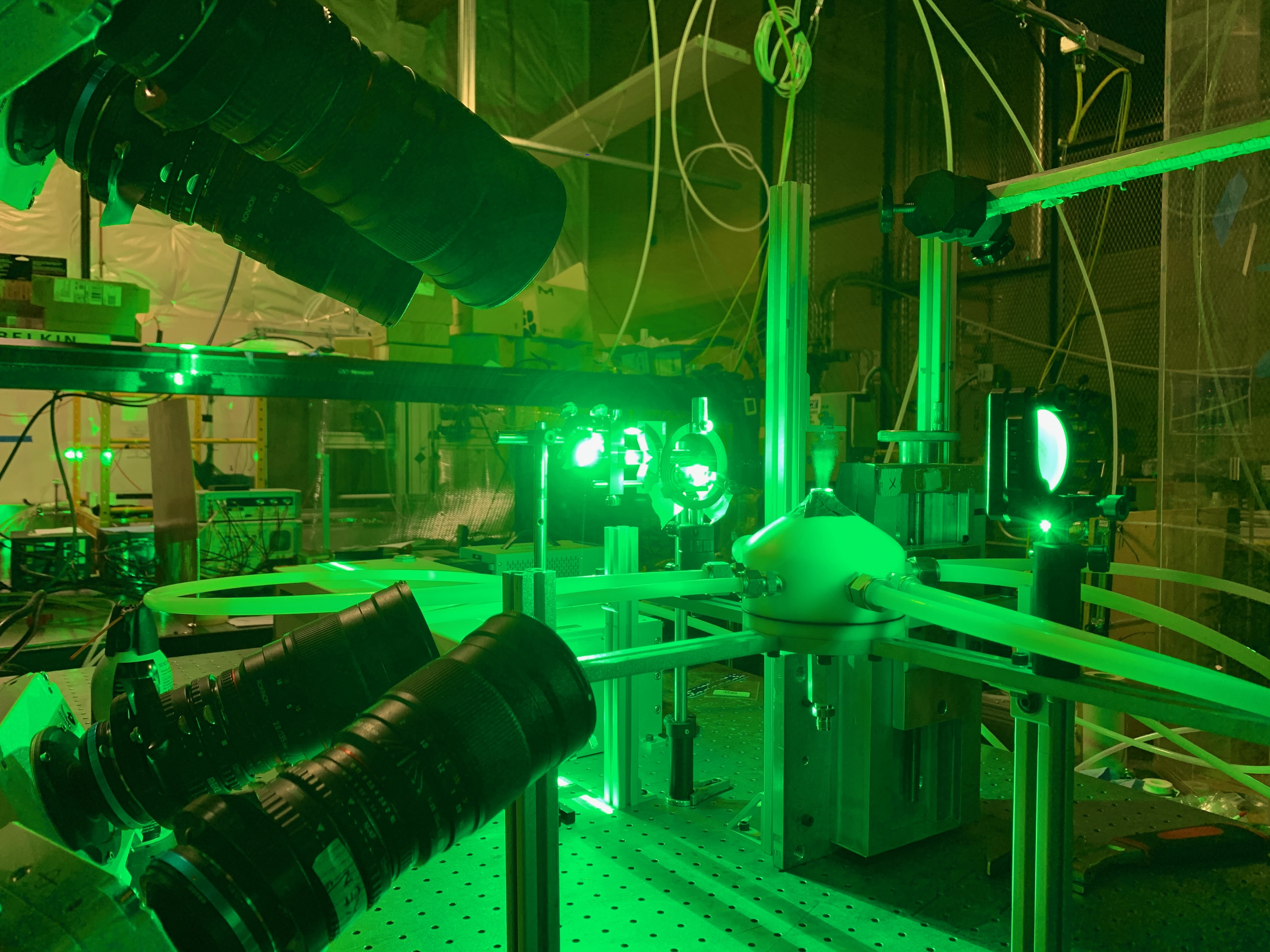
Volumetric flow velocity measurement using tomographic imaging techniques applied to gas-liquid coaxial atomization with swirl in high-pressure environments. Multi-camera setups enable reconstruction of the full 3D velocity field, revealing the complex vortex structures that drive atomization.
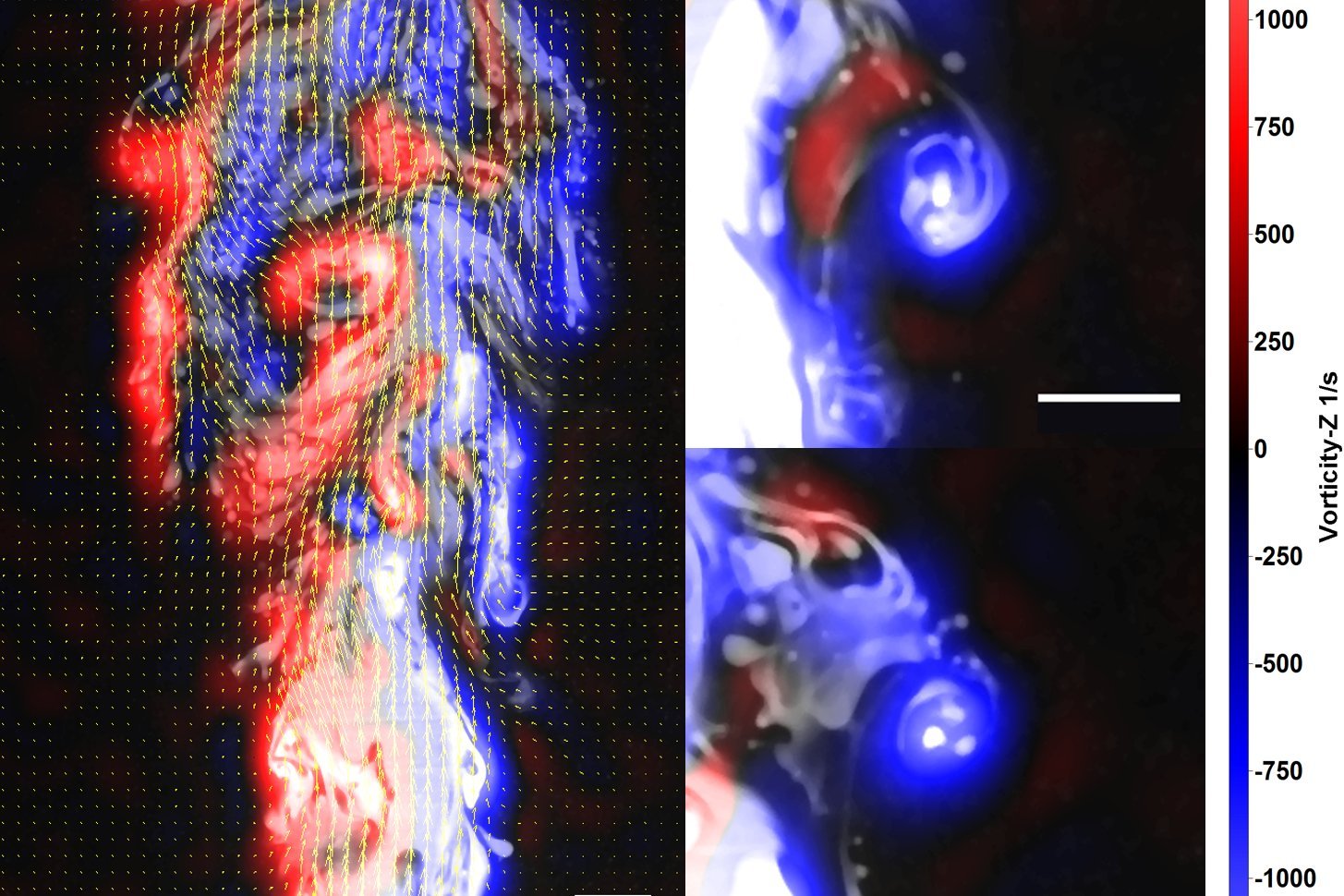
Fragmentation of an immiscible jet can be found in many industrial, environmental, and biological applications. However, quantitative data are hard to obtain experimentally in optically opaque flow, especially in the near field where dense oil ligaments and droplets exist. Liquid-liquid refractive index matching and simultaneous Particle Image Velocimetry (PIV) and Planar Laser-Induced Fluorescence (PLIF) were developed to measure interface distributions and turbulent statistics across 2,500 instantaneous fields at three downstream locations. A comprehensive turbulence analysis toolkit was developed in MATLAB to compute phase-conditioned statistics: vorticity and swirl strength, TKE production and dissipation rates in cylindrical coordinates, Reynolds stress budgets, two-point velocity correlations, Kolmogorov scale estimation, and spreading rate analysis. The results show that the dispersed phase significantly increases the turbulence level compared to a single-phase jet, with production mechanisms in the oil and water phases being fundamentally different.
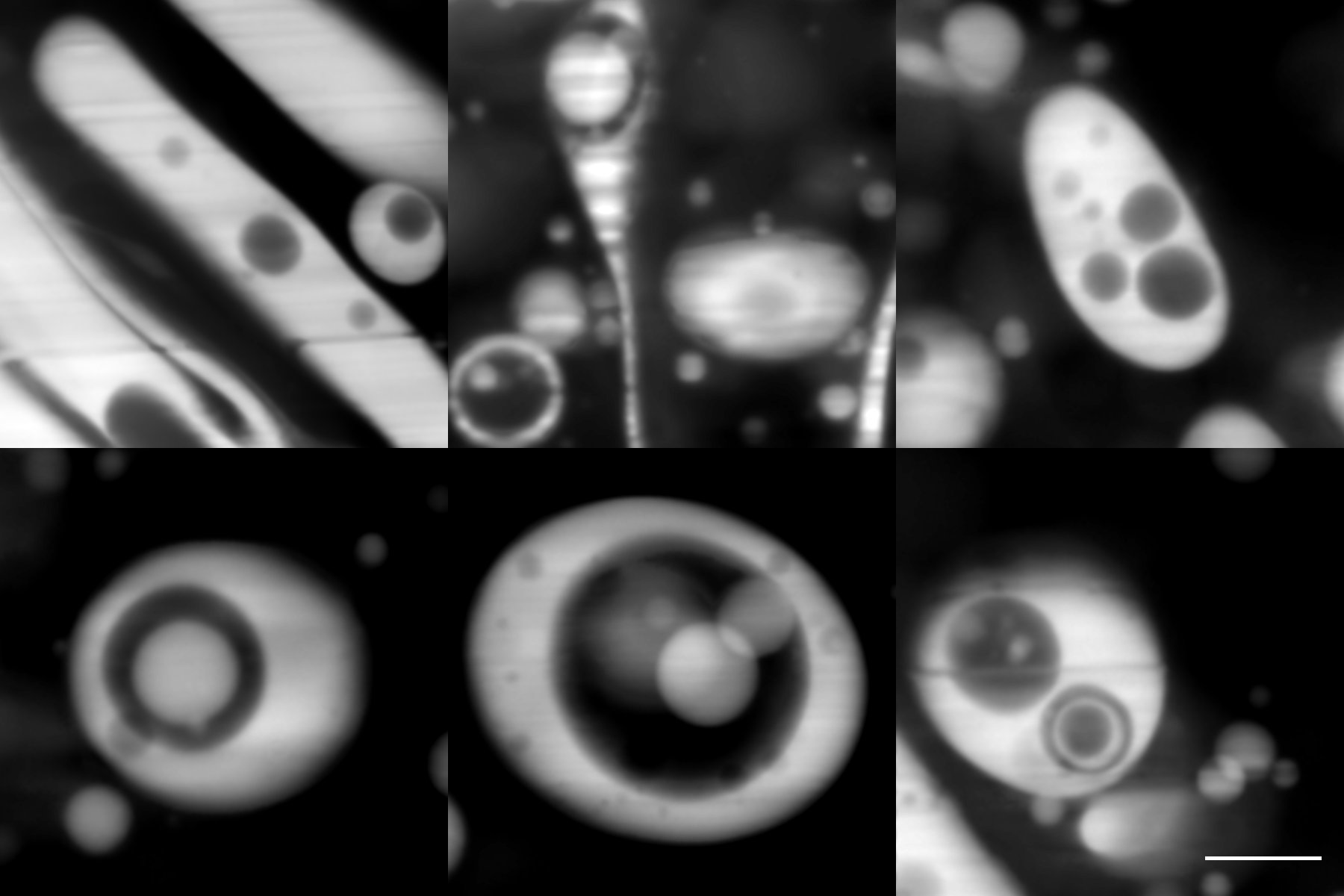
Compound droplets containing multiple water droplets, some with smaller oil droplets, regularly form at jet Reynolds numbers Re>1358. The origin of some of the encapsulated water droplets can be traced back to the entrained water ligaments during the initial roll-up of Kelvin-Helmholtz vortices. Random forest-based machine learning (Weka) was trained and applied via automated ImageJ macros to distinguish compound from regular droplets in PLIF images. Blob analysis quantified the morphology of over 3,000 droplets: equivalent diameter, deformation index (axis ratio), interior pocket count, and oil fraction. A pendant drop interfacial tension measurement code was developed using Young-Laplace equation fitting with Newton-Raphson optimization to characterize the oil-water-dispersant systems. On average, the interior pockets raise the oil-water interfacial area by 15%, and while the oil droplets are deformed by the jet’s shear field, the interior interfaces remain nearly spherical, indicating a quiescent micro-environment in the local high shear zone.
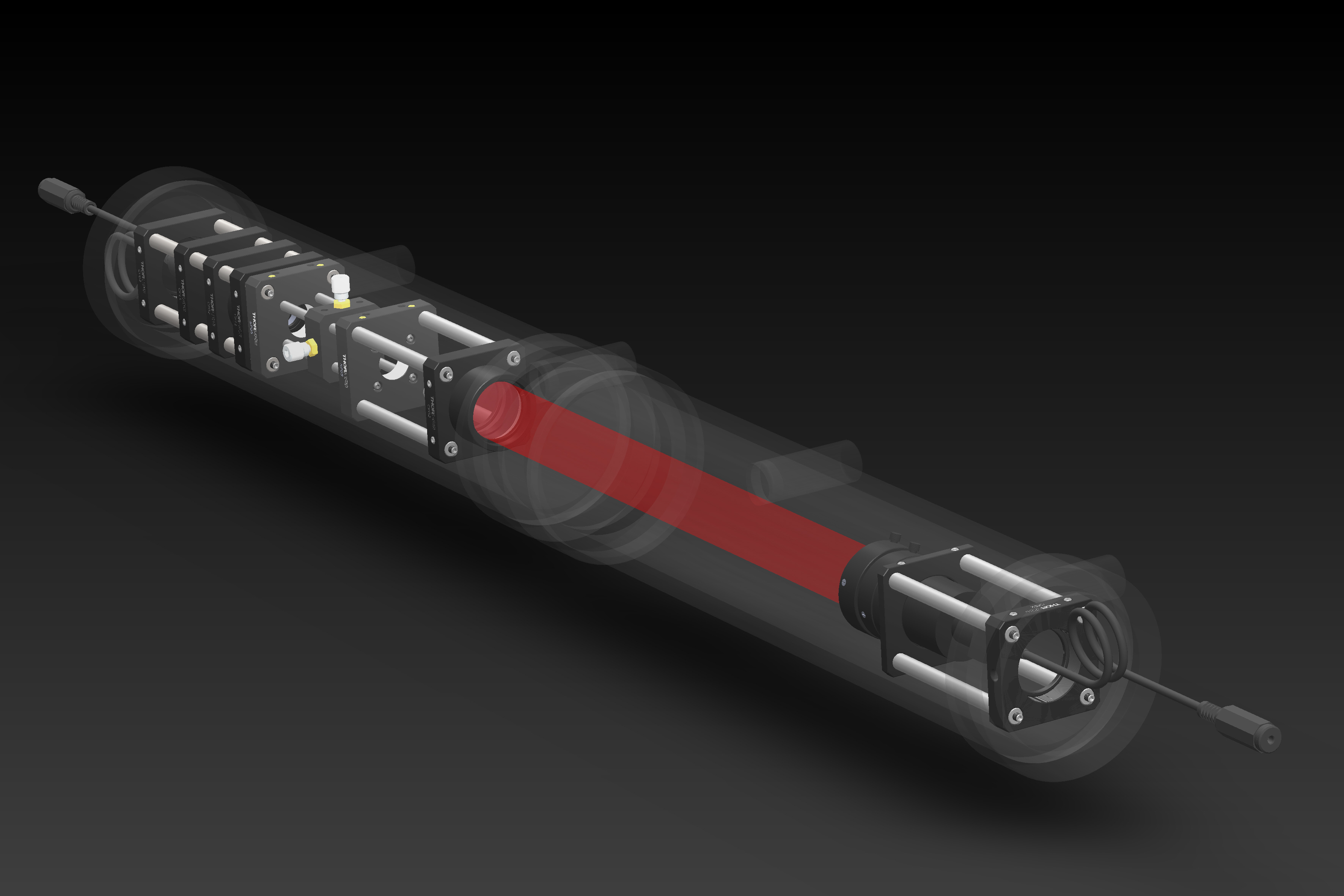
A custom-built, submersible inline holography system designed for in situ measurement of droplet size distributions within opaque oil plumes. The instrument houses a 635 nm diode laser with spatial filter and collimating optics in one sealed aluminum tube, and a Schneider imaging lens with a 5-megapixel CMOS camera (3.3 μm/pixel resolution) in another, mounted on an optical rail for adjustable sample volume depth. Deployed in a 2.5 m towing tank, the Mini-Holocam was suspended within crude oil jet-in-crossflow plumes to measure sub-millimeter droplet distributions at three dispersant-to-oil ratios. Increasing dispersant concentration dramatically decreased droplet sizes (volume median diameter from 734 μm to 234 μm) and reduced plume rise rates. A force-balance trapping model correctly predicted which droplet sizes were captured by the counter-rotating vortex pair (CVP) characteristic of jets in crossflow. This work was funded by the Gulf of Mexico Research Initiative (GoMRI) and published in the Journal of Geophysical Research: Oceans (2016).
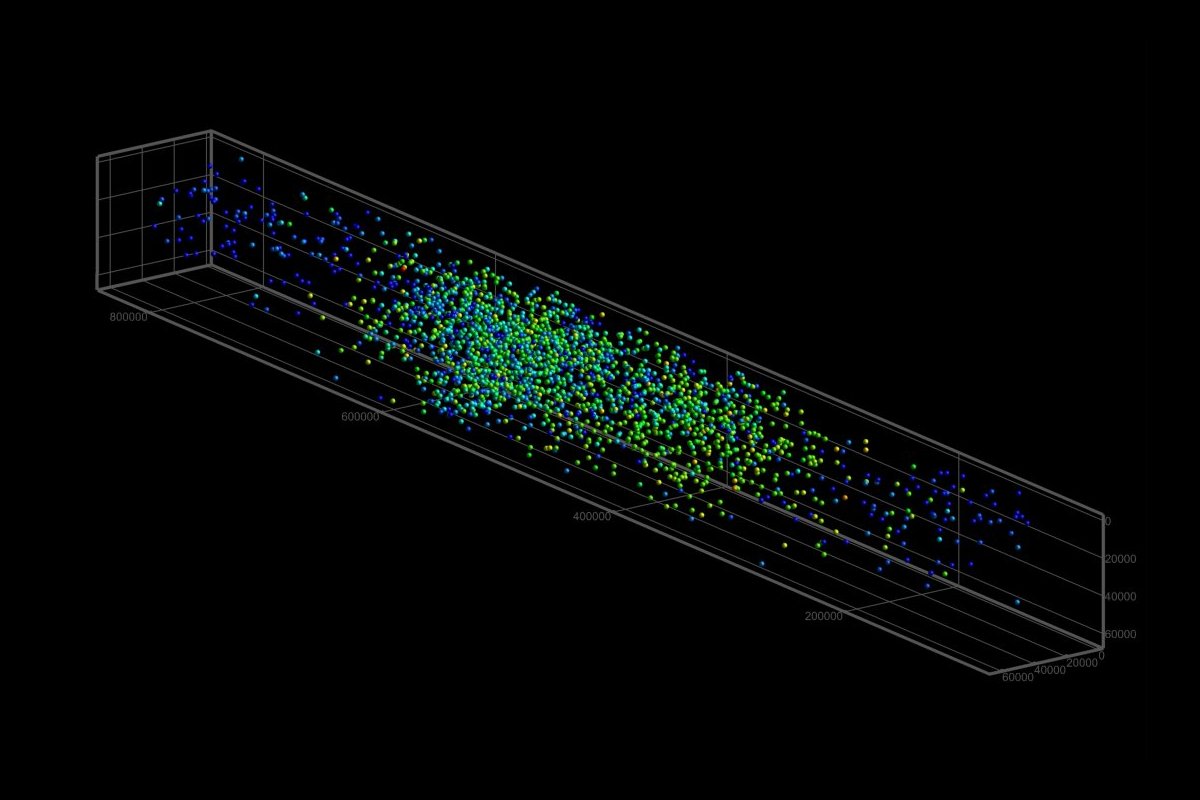
An end-to-end computational pipeline for extracting 3D droplet positions and sizes from inline holograms. The pipeline spans eight stages: preprocessing, GPU-CUDA holographic reconstruction into volumetric image stacks, high-pass filtering with minimum intensity projection, 2D segmentation (separate paths for large and small droplets using local adaptive thresholding and morphological operations), 3D circular Hough transform for droplet center and radius detection in the reconstructed volume, minimum intensity-based sizing for sub-resolution particles, and finally droplet count concentration (DCC) and mass concentration (DMC) spectrum computation. For high-magnification near-nozzle spray images where traditional methods fail, the pipeline is augmented with wavelet-FFT stripe removal, POD-based background subtraction, and Weka machine learning classifiers trained to distinguish droplets from background. MATLAB scripts auto-generate ImageJ macros for batch processing, enabling quantification of droplet sizes in previously inaccessible dense spray regions.
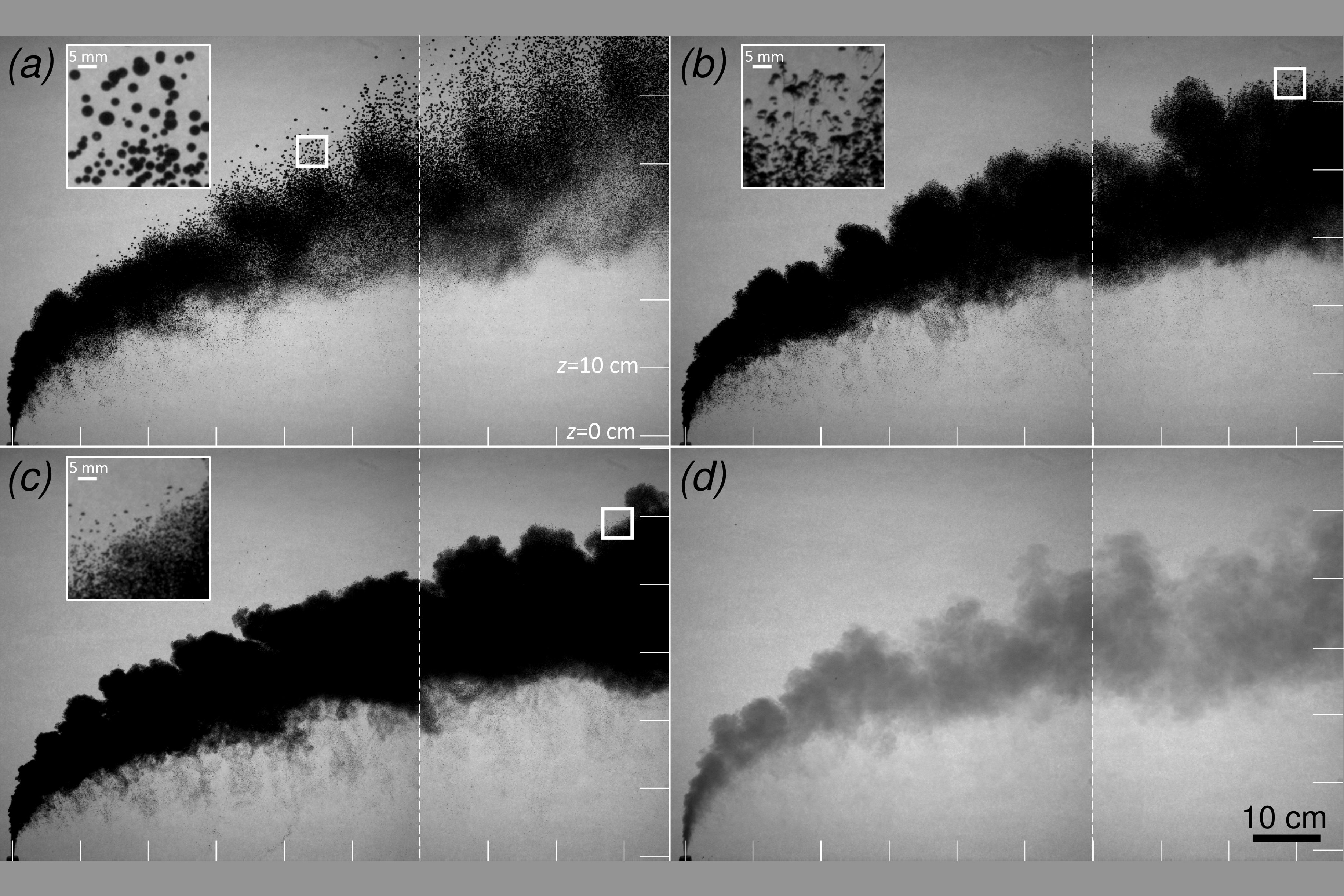
This study investigates the effects of premixing oil with chemical dispersant at varying concentrations on the flow structure and droplet dynamics within a crude oil jet transitioning into a plume in a crossflow. It is motivated by the need to determine the fate of subsurface oil after a blowout disaster. The flow within the plume consists primarily of a pair of counterrotating quasi-streamwise vortices (CVP) that characterize jets in crossflows. The size of droplets trapped by the CVP is predicted correctly using a trapping function based on a balance of forces on a droplet located within a horizontal eddy. This study was conducted in collaboration with Prof. David Murphy and Dr. Kaushik Sampath.
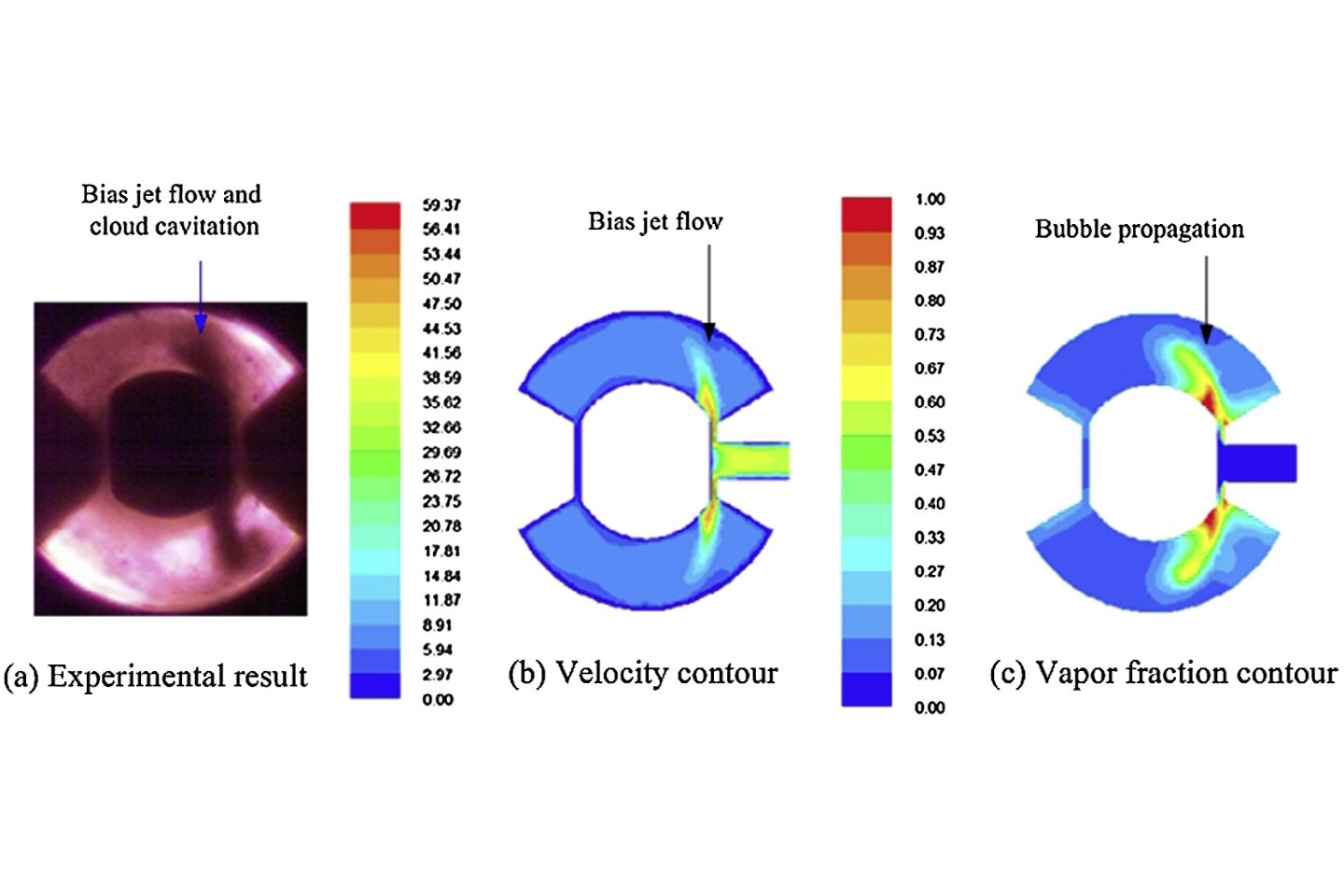
Cavitation in the flapper–nozzle pilot stage is a major source of noise, performance deterioration, and failure in electrohydraulic servo-valves. This study combined experimental and numerical investigations of cavitation in the flow field between the flapper and nozzle of an electrohydraulic servo-valve, identifying the nozzle tip and flapper leading edge as the cavitation source locations. The work was supervised by Prof. Songjing Li and conducted in collaboration with Dr. Nay ZarAung, Dr. Shengzhuo Zhang, and Dr. Junzhang Cao.
Real experimental data from custom-built laser optical metrology systems.
Instantaneous vorticity field of an immiscible turbulent buoyant oil jet, measured via simultaneous PIV and PLIF with liquid-liquid refractive index matching.
Strain rate magnitude showing regions of intense deformation where oil ligaments stretch and fragment into droplets.
High-speed visualization of the oil jet near the nozzle exit, capturing the initial instability and fragmentation process.
Close-up view of compound droplet formation, where Kelvin-Helmholtz vortices entrain water into oil ligaments.
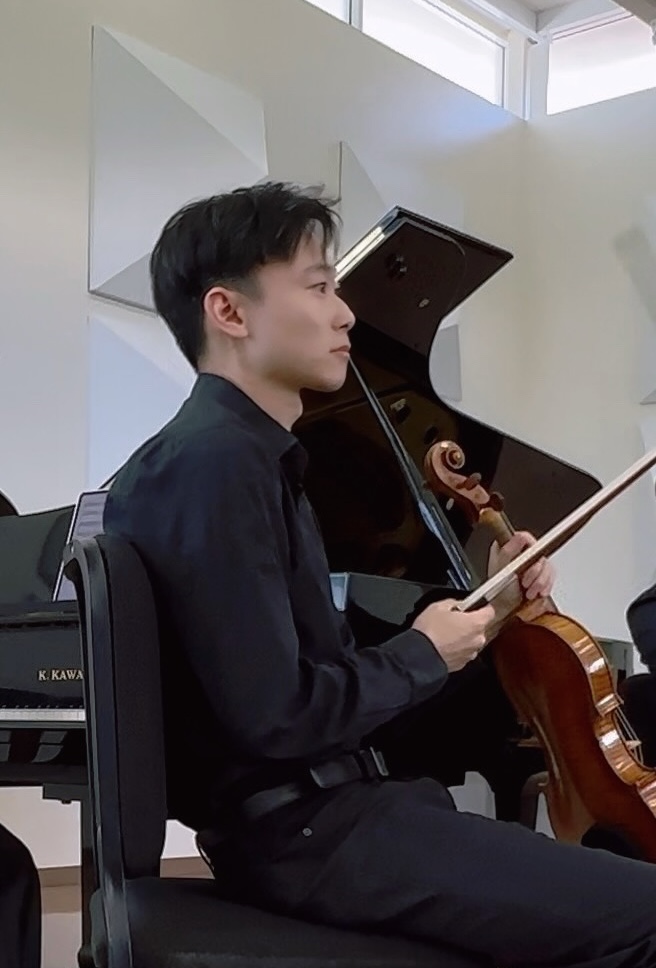
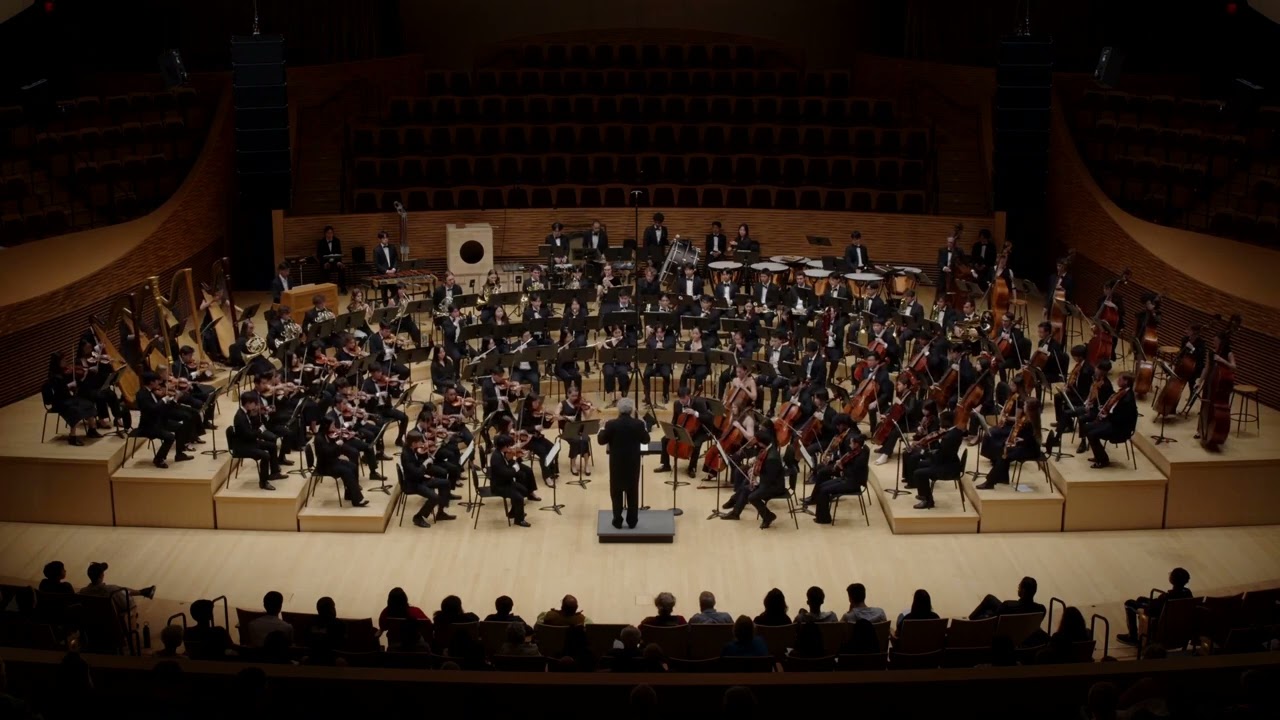
An epiphany during graduate school drew Xinzhi back to music after a 15-year break. He spent a year studying with Anna Bross before auditioning and being accepted to study violin performance with Prof. Melina Gajger at the Peabody Conservatory of Johns Hopkins University.
He has also received coaching in masterclasses with world-renowned violinists Stefan Jackiw, Nancy Zhou, and James Ehnes.
He has since performed with the Hopkins Symphony Orchestra, Baltimore Symphony Orchestra, Seattle Philharmonic, and Stanford Symphony Orchestra, and appeared at the San Francisco Conservatory of Music, the Tonebase Violin Festival in Münster, Germany, and the St. Lawrence Chamber Music Seminar at Stanford University.